Darnell Choi Kwang Do
Developing Discipline, Health, Confidence, and Character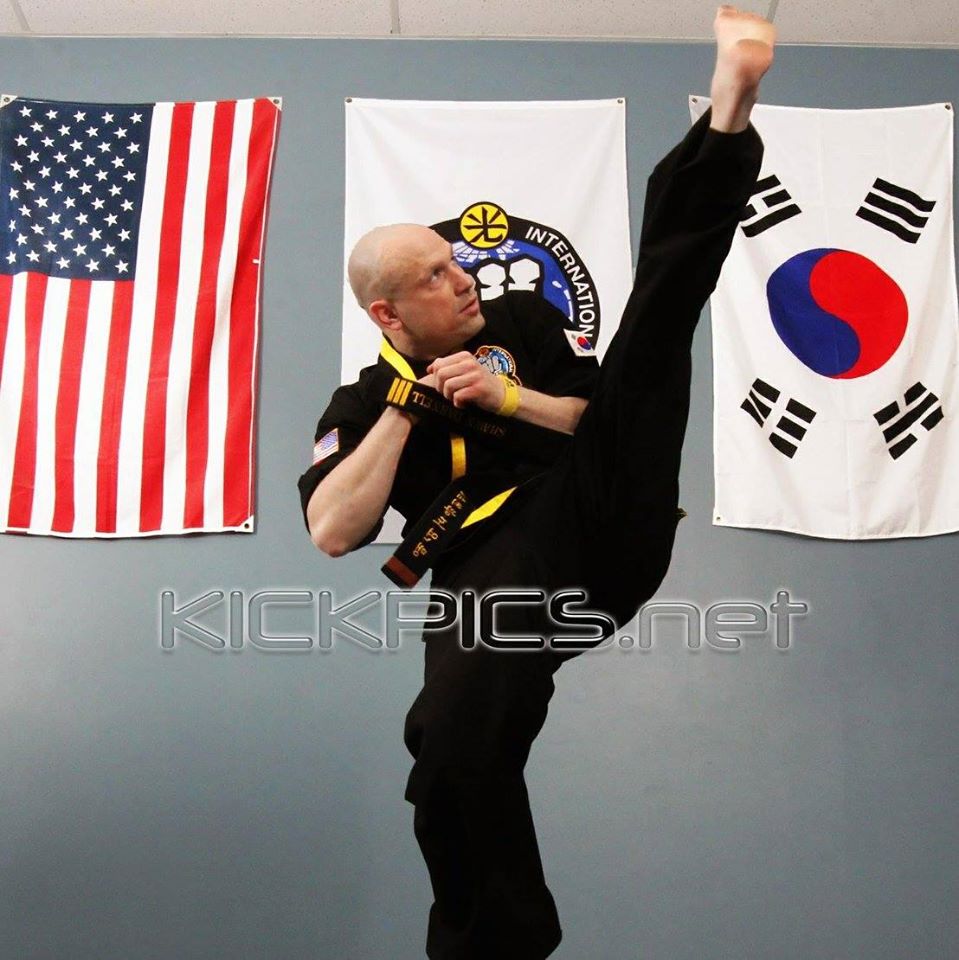
Martial Arts Training in the South Lyon Area
Our students come from miles away to make sure they get the best possible training. Whether you live in South Lyon, Brighton, Wixom, Northville, or Novi, you won’t regret relying on us for your development in self defense.
We are confident that once you become a student, you will continue at our Dojang. Therefore we don’t require contracts for anybody who joins.
Why choose Choi Kwang Do?
Our self-defense techniques:
- Develop reflexes and ability to respond to threats
- Developmental as well as physical conditioning
- Enhance an individual’s health as they practice
- Generate maximum force
- Are practical and easy to learn
We are a professional martial arts school focused on fitness, focus, self-control and self defense. We teach children to adults (4 to 104 years old). Our styles are non contact so we do not spar. We do train to develop great power and focus in our techniques. Our family martial arts utilizes CKD styles.
Choi Kwang Do emphasizes the use of biomechanics, and to employ a number of modern disciplines, such as kinesiology and psychology, in its design. The result is a tendency towards the use of natural body movements and sequential motion to develop optimum force on impact, this serves to place less pressure on the joints. The style also incorporates breathing and stretching exercises from yoga.
Choi Kwang Do is not designed for competition, but for a natural and effective response to everyday stimuli and training is a mix of contact drills using pads and shields, non-contact drills and “in-fighting” close-quarter drills.
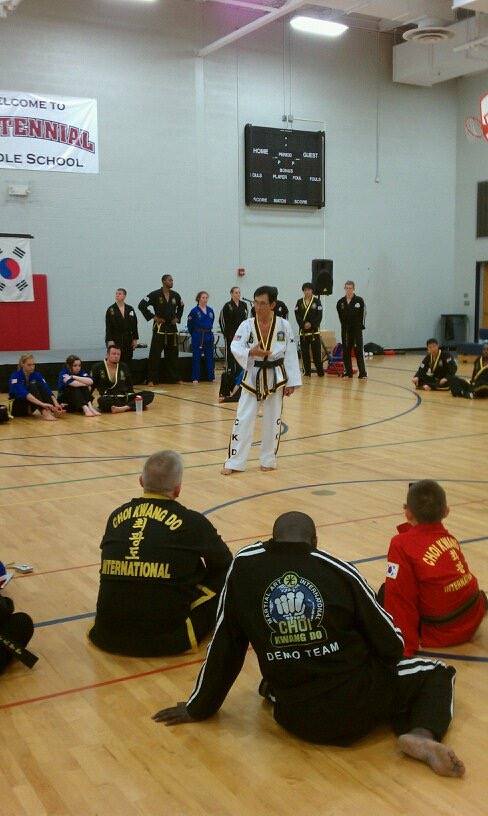
Principles of Choi Kwang Do
Individuals training in Choi Kwang Do focus on achieving optimum health and wellness by training at a moderate level of intensity in classes, rather than training at a high intensity for a competition. Choi Kwang Do classes are taught in a friendly, family-orientated atmosphere, and in a fun and easy to learn manner.
The development of character and mental strength based on CKD principles is considered the most important overall goal in CKD training along with the attainment of proper technique.
Our training focuses on instilling these elements of our philosophy in each of our students which are foundations for overall development not only in martial arts, but in all aspects of life.
-
Humility
-
Integrity
-
Gentleness
-
Perseverance
-
Self Control
-
Unbreakable Spirit